


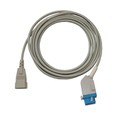

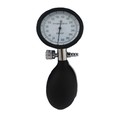




1. CUR SÍOS
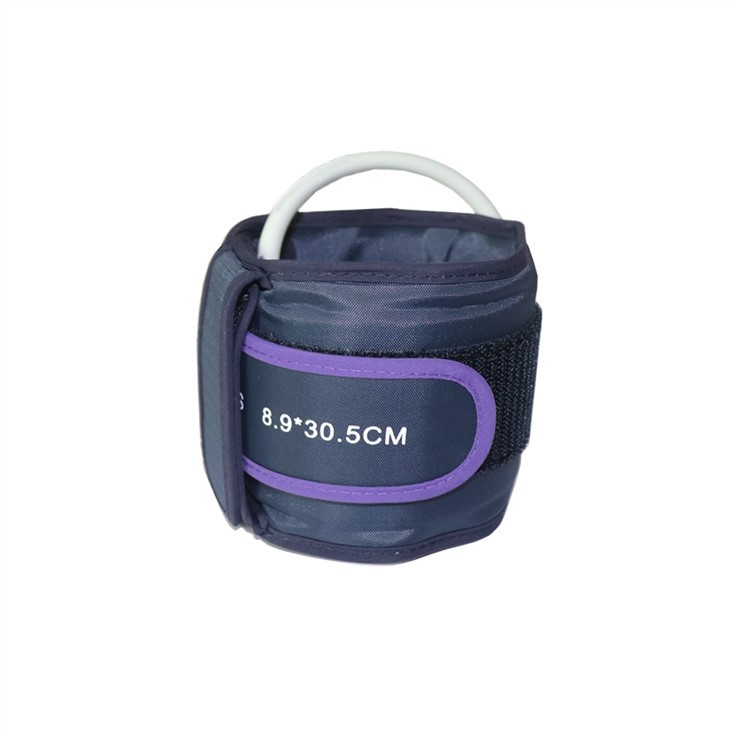
Part no.: CF1604-XS
12" Child Tourniqiet LW= 30589mm
Cufaí tourniquet sorcóireach
Reusable Tourniquet Cuffs are a traditional reusable tourniquet cuff Manufactured from easy-to-clean, robust, latex free materials with additional safety straps for long-term use Perfectly suited to arm or small leg procedures and our most popular size reusable cuff • Designed for patient comfort • Latex free
Tourniquet used in procedures with the function of blocking blood flow. Use for Orthopedic operation, use with Hemostasis apparatus, mostly use for first aid. The pressure exerted by the tourniquet is sufficient to prevent arterial blood flow from the limb (upper or lower).

2. GNÉITHE
Códú Dathanna
Chun méid éasca a aithint.
Sleeves Cosanta
Deartha go speisialta chun cufaí tourniquet a chomhlánú agus cabhrú leis an othar a chosaint ó dhamáiste fíocháin bhoga.
90º Ports
Cabhraigh le píobáin a choinneáil glan ón suíomh máinliachta.
Ábhar Ardchaighdeáin
Monaraithe gan úsáid a bhaint as laitéis rubair nádúrtha agus PVC saor in aisce
durable, a mhonaraítear chun aon éileamh nós imeachta a sheasamh.
Wipe díghalrú
Laghdú dramhaíola de bharr athúsáide
Le raon leathan méideanna, tá sé éasca freastal ar fiú an riachtanas nós imeachta is déine.
3. PICTIÚR


4. Nós Imeachta chun Tourniquet a chur i bhFeidhm
Anyone can apply a tourniquet. While you do not need any official or special medical certification or training, you do need to understand how to properly use one.
The first step you need to take in any emergency is calling 911 to alert emergency services. If someone else is with you, delegate the task of making the 911 call to them while you attend to the injured person.
(Tourniquets are for limb injuries and cannot be used for injuries to the head or torso. An injury to the head or torso requires the application of pressure with a material that can absorb blood to slow or stop bleeding.)
Using a tourniquet is only meant as a stop-gap measure to buy time while you wait for medical personnel to arrive. If a person is bleeding profusely and help is not nearby, they may bleed out before first responders can arrive and provide necessary medical care.
By applying a tourniquet, your goal is to restrict blood flow to the injured limb to prevent life-threatening blood loss. While constricting the limb to cut off its blood supply is a temporary measure, when done correctly it will slow or stop the bleeding enough to allow emergency responders time to arrive at the scene.
Faigh an Foinse
Before you apply a tourniquet, you need to determine the source of the bleed. In some cases, such as near or complete limb amputation, it may be obvious. Other injuries may not be visible at first, especially if there is debris, wreckage, tattered clothing, or other objects obstructing your view.
If possible, have the injured person lay down so you can assess them from head to toe. Try to stay calm and focused, as you will need to find the source of the bleeding as quickly as you can.
Brú a chur i bhfeidhm
Once you have determined the source, start by applying direct pressure to the wound to control the bleeding. If the bleeding fails to slow or stop when pressure is applied, you will need to find (or fasten) a tourniquet.
If the injured person is conscious and alert, tell them that you will be applying a tourniquet to their injury. Unfortunately, the process of applying a tourniquet may be extremely painful, and the person is likely already in a great deal of pain. Let the person know that applying the tourniquet will hurt but that it may save the limb, if not their life.
Next, cut, tear, or otherwise remove any clothing near the wound. The tourniquet needs to be applied to bare skin.
Seasamh an Tourniquet
Position the cloth, towel, or other material to be used for the tourniquet on the limb several inches above the injury. You will want to position the tourniquet at the part of the limb that is closest to the heart. For example, if the injury is below the knee or elbow, you will need to tie the tourniquet above the joint.
Use a common square knot (like tying your shoelaces, but without making a bow) to tie the tourniquet around the limb. (The Red Cross recommends placing the tourniquet about 2 inches above the wound and never directly on a joint.)
Cuir gloine gaoithe leis
You will need a stick or other item strong enough to act as a windlass. A windlass is a lever that can be used to twist the tourniquet tighter. Anything can be used as a windlass, as long as it is strong enough to hold the tourniquet and can be secured in place. Consider using pens or pencils, sticks, or spoons.
Cuir do ghloine gaoithe ar an snaidhm atá déanta agat, ansin ceangail foircinn scaoilte an chamchuairte timpeall air ag baint úsáide as snaidhm cearnach eile.
Cas chun níos doichte
Begin twisting the windlass to increase the pressure. Keep an eye on the bleeding and make note of when it begins to slow. Continue turning the windlass until all the bleeding has stopped or is significantly reduced.
Nuair a bheidh an fuiliú mall nó stoptha, daingnigh an windlass trí cheann nó an dá cheann a cheangal le lámh nó cos an duine gortaithe.
Marcáil an tAm
Tourniquets can only be applied for certain periods of time—no longer than two hours. Therefore, it will be very important for first responders and medical staff who treat the injury to know when you applied the tourniquet.
If possible, mark a "T" with the date and time you placed the tourniquet on the person's forehead or another area highly visible to emergency personnel.
(Níor cheart do dhuine ar bith seachas dochtúir sa rannóg éigeandála an turasóireacht a scaoileadh nó a bhaint as.)
Clibeanna Te: tourniquet leanaí ath-inúsáidte, an tSín, monaróirí, saincheaptha, mórchóir, lascaine a cheannach, praghas íseal, ardchaighdeán


